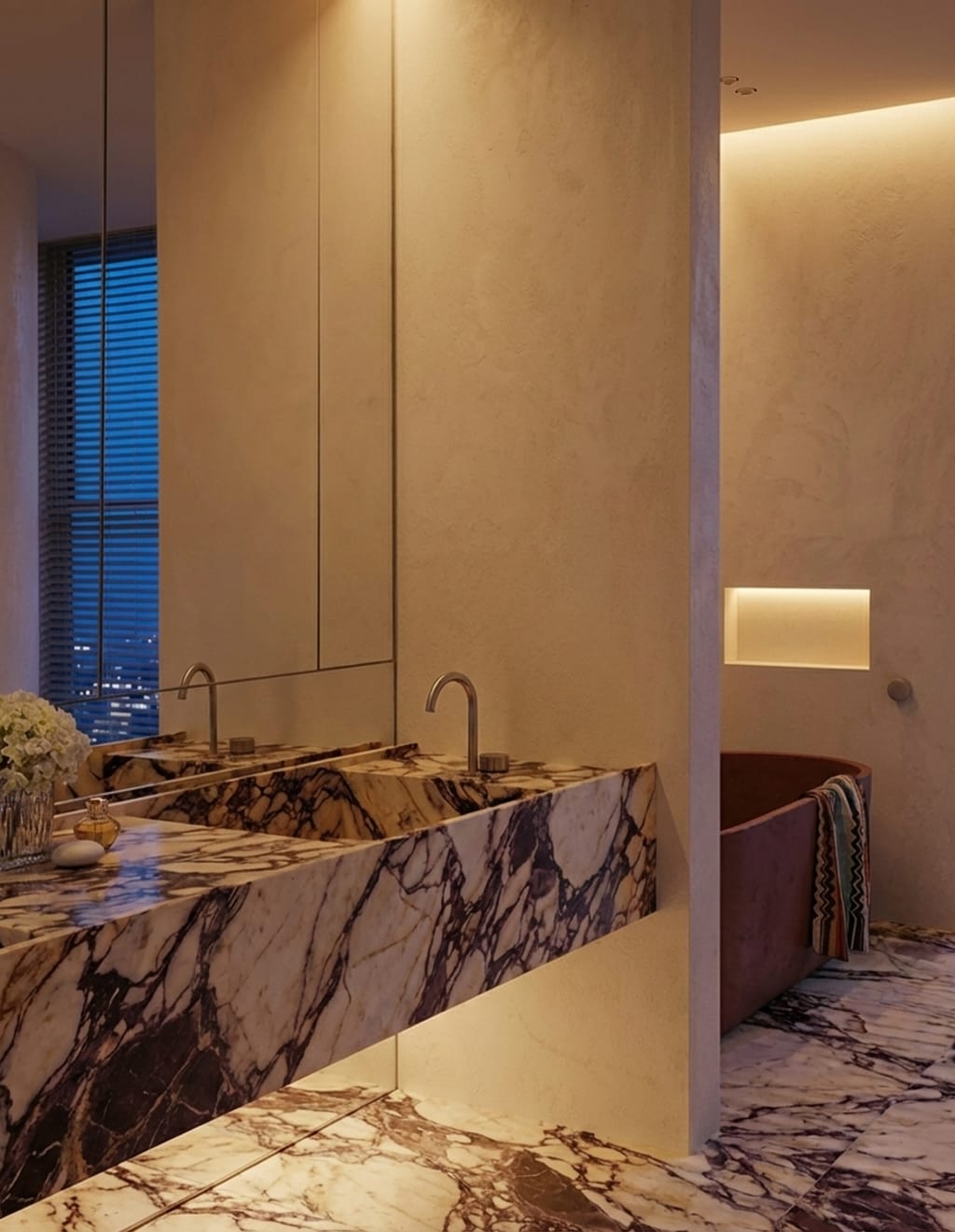
Beyond White: Calacatta Viola and Moody Spatial Depth
As Orange County fatigues of ubiquitous bright-white coastal aesthetics, affluent homeowners are pivoting toward dramatic materiality and moody, wellness-centric sanctuaries.
Blog
Notes on materials, light and the rooms people actually live in — and how to try each look on your own space.
As Orange County fatigues of ubiquitous bright-white coastal aesthetics, affluent homeowners are pivoting toward dramatic materiality and moody, wellness-centric sanctuaries.
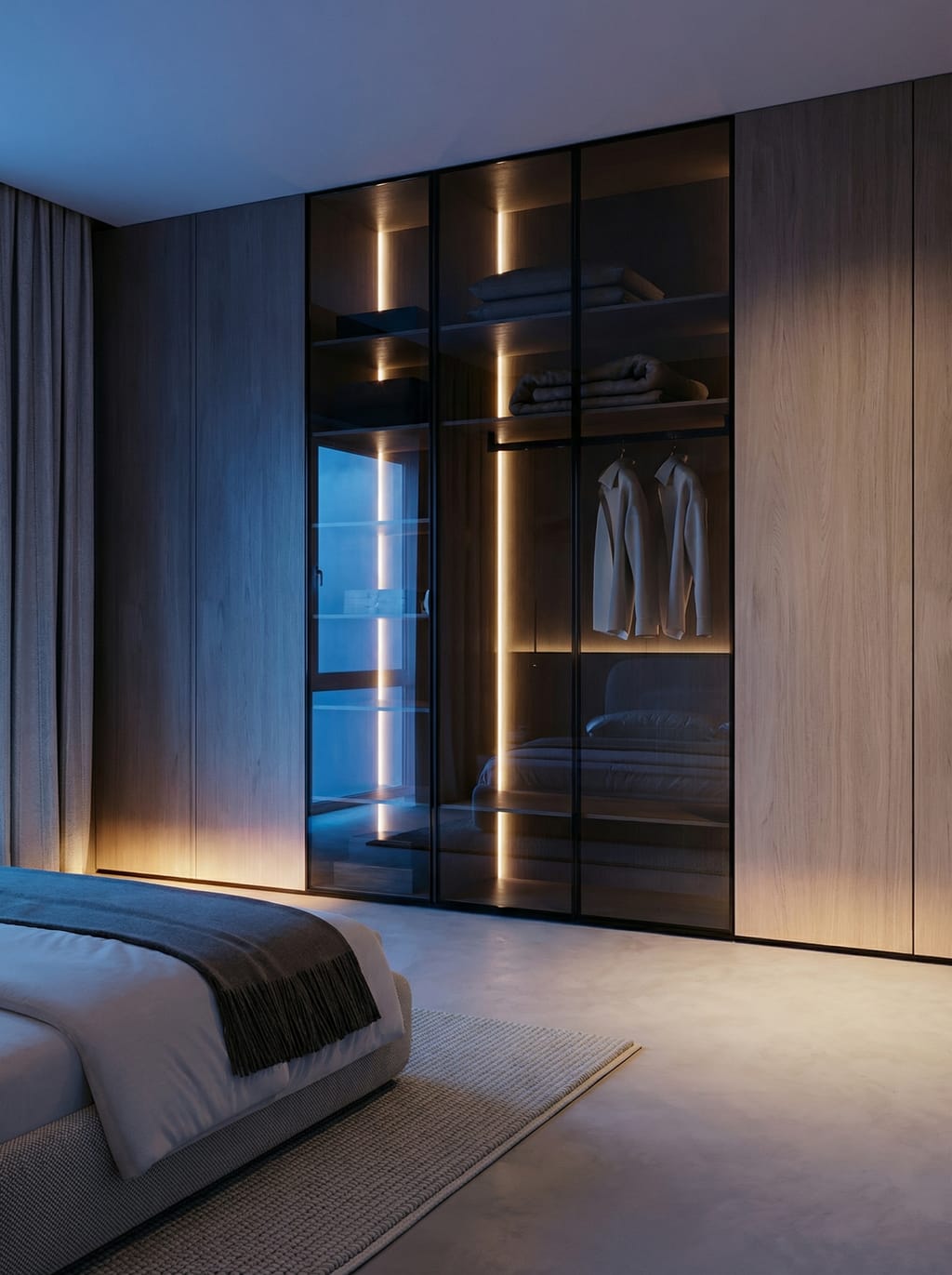
In luxury residential design, the master wardrobe is no longer a space of mere utility. It is becoming an architectural element of light, atmosphere, and curated display.
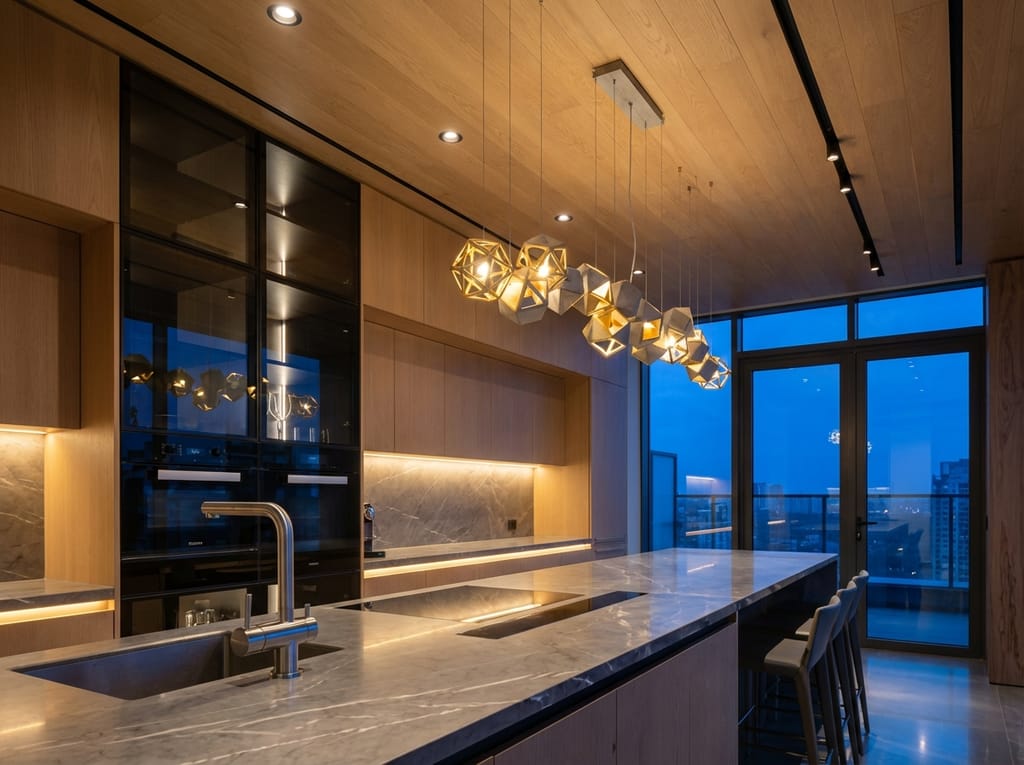
For years, the white kitchen stood as the undisputed archetype of luxury. We propose a new grammar—one where the entire architectural envelope becomes an immersive, tactile experience.
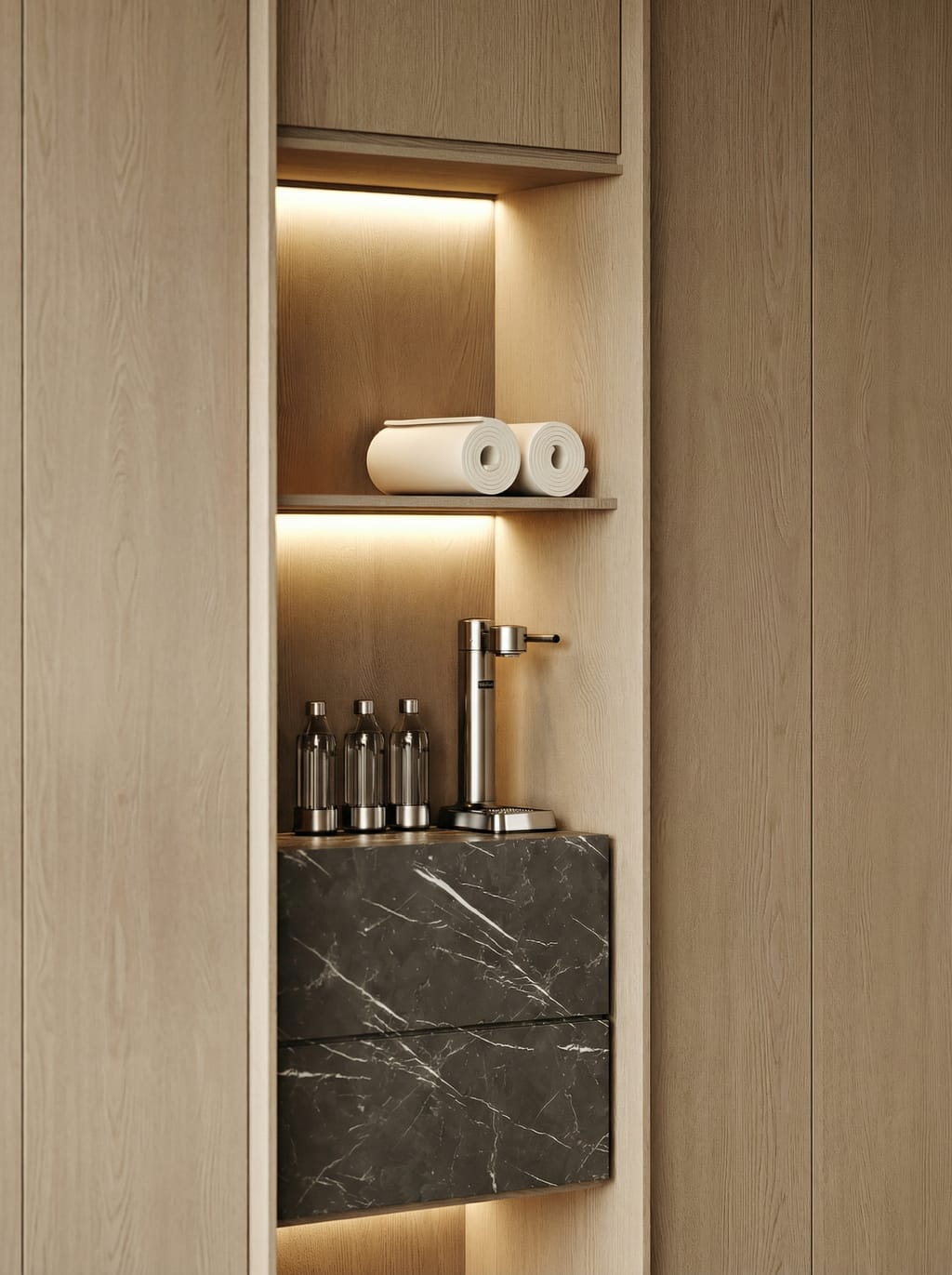
True luxury isn't found in grand gestures alone, but in the meticulous architecture of daily rituals. We explore how the humble utility zone is becoming the new frontier of bespoke design.
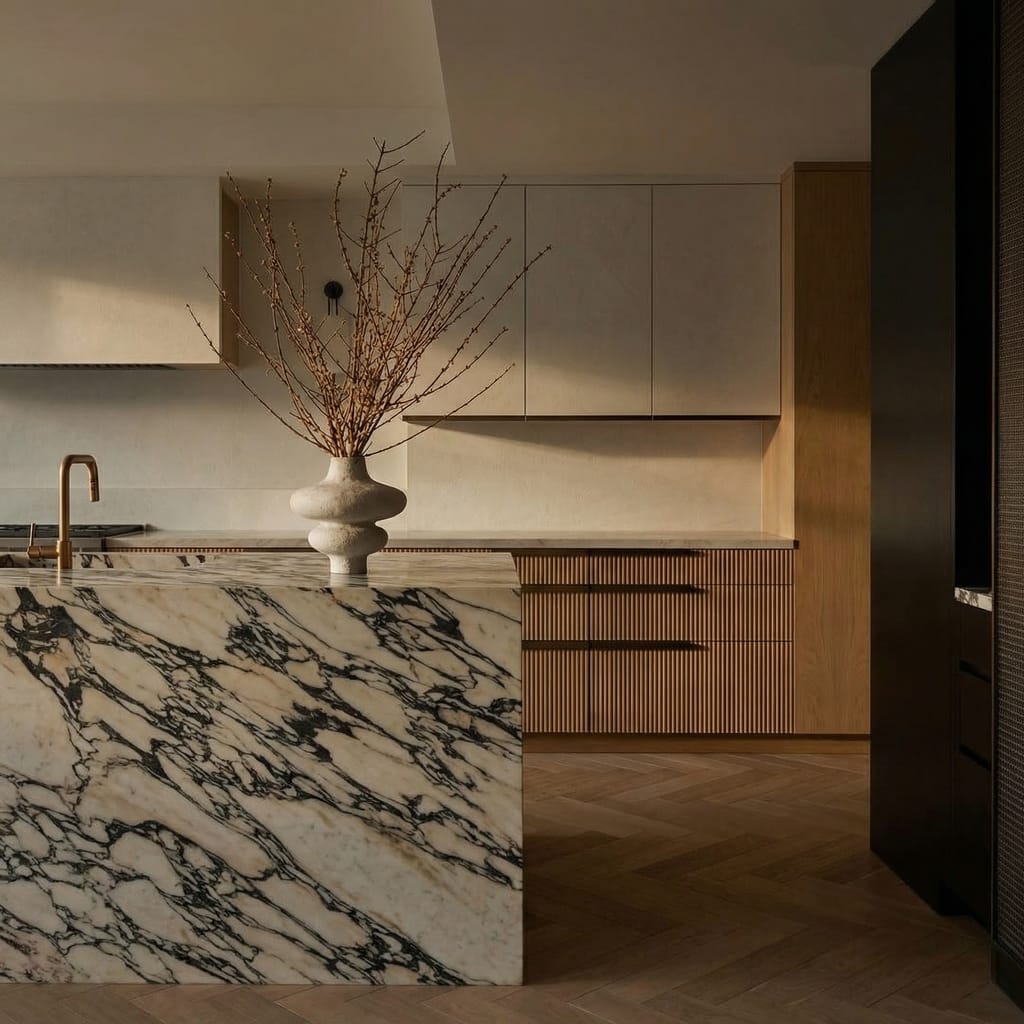
For years, luxury kitchens whispered in a singular, sterile dialect: white on white. Today, the most compelling spaces speak a richer language, where the veining of stone and the grain of wood articulate a new definition of warmth.
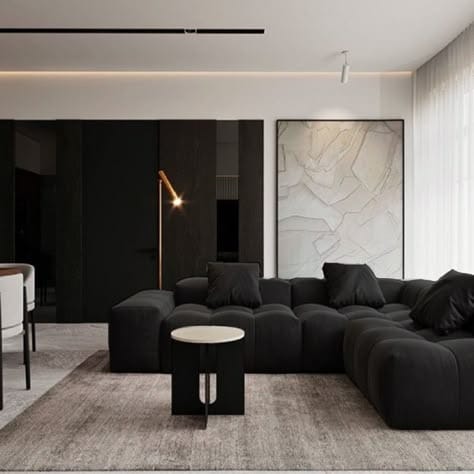
In a region defined by perpetual sunlight, the boldest design statement is not the embrace of light, but the mastery of shadow. We explore a definitive shift from coastal palettes to the profound quiet of moody, architectural interiors.
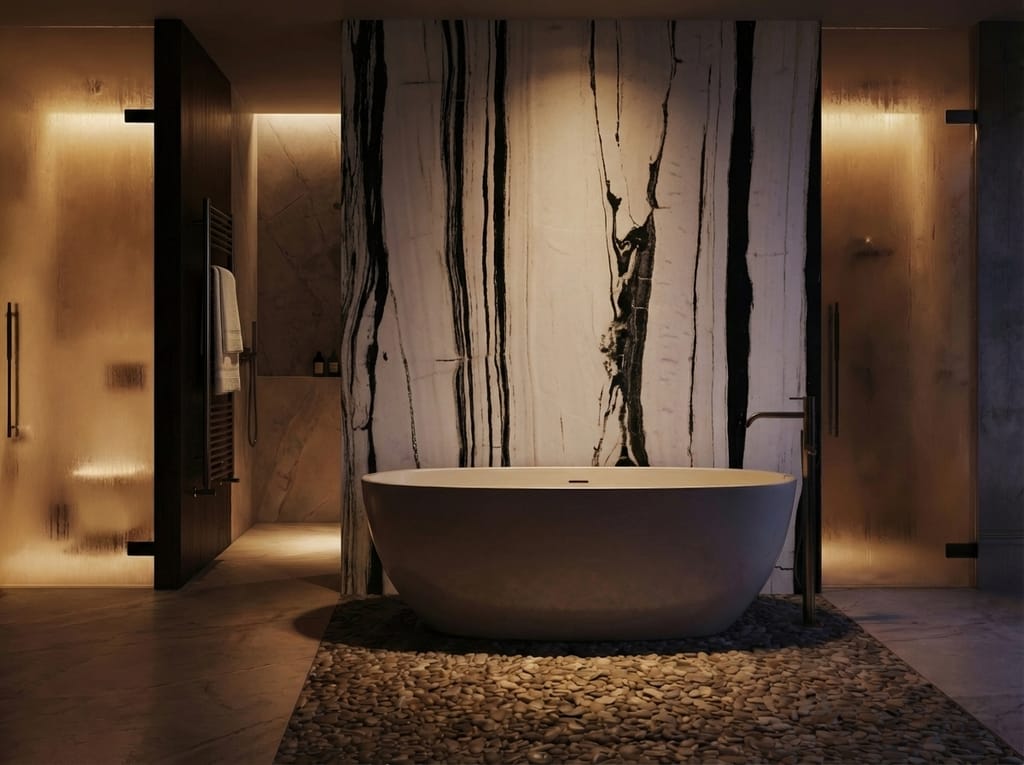
The era of the clinically white primary bath is waning. In its place, a sophisticated embrace of shadow, haptic texture, and geologic weight offers a remedy to the overstimulation of modern life.
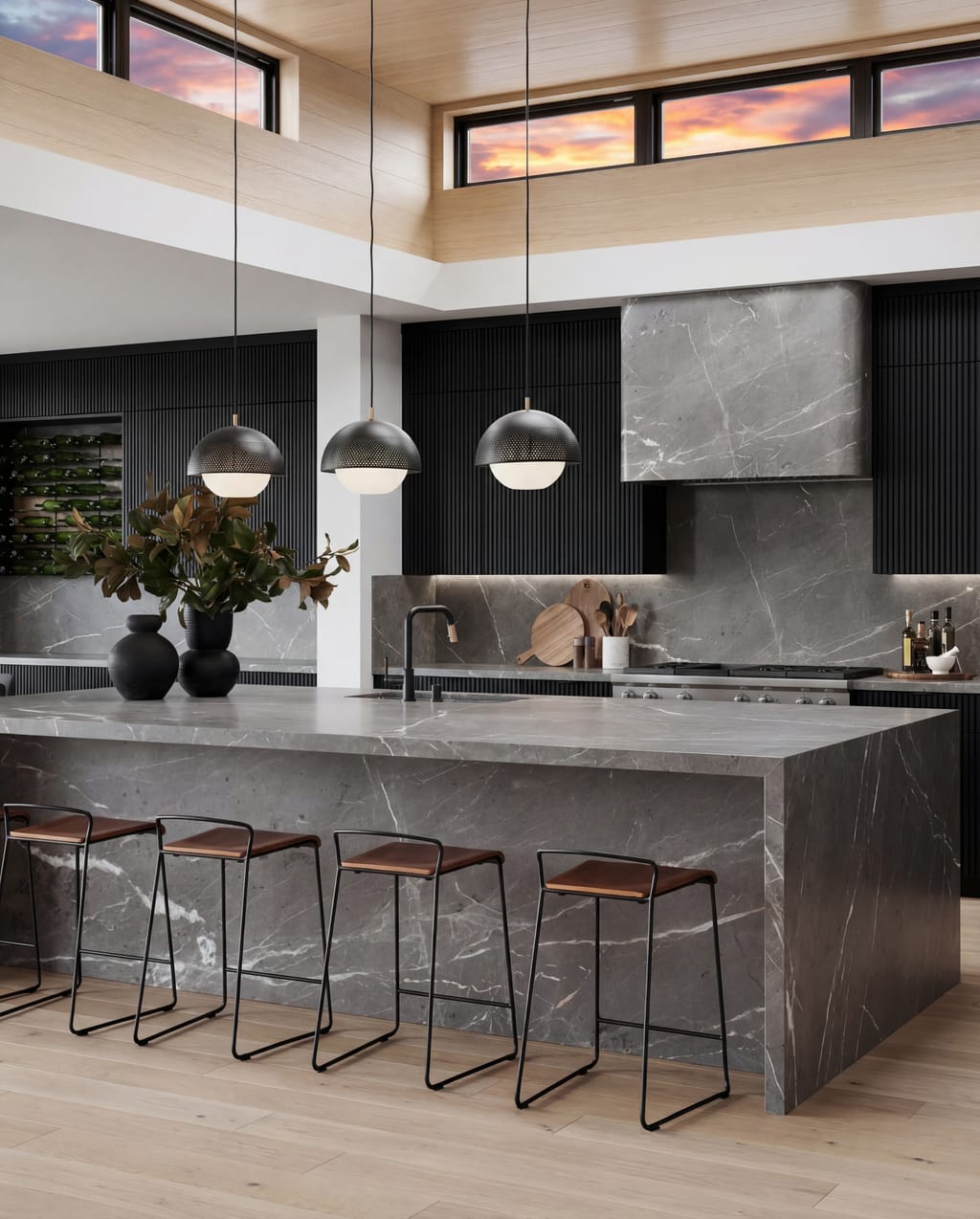
Where many see darkness as a void, we see it as an anchor. This is the story of a kitchen that uses monumental mass to celebrate California light.
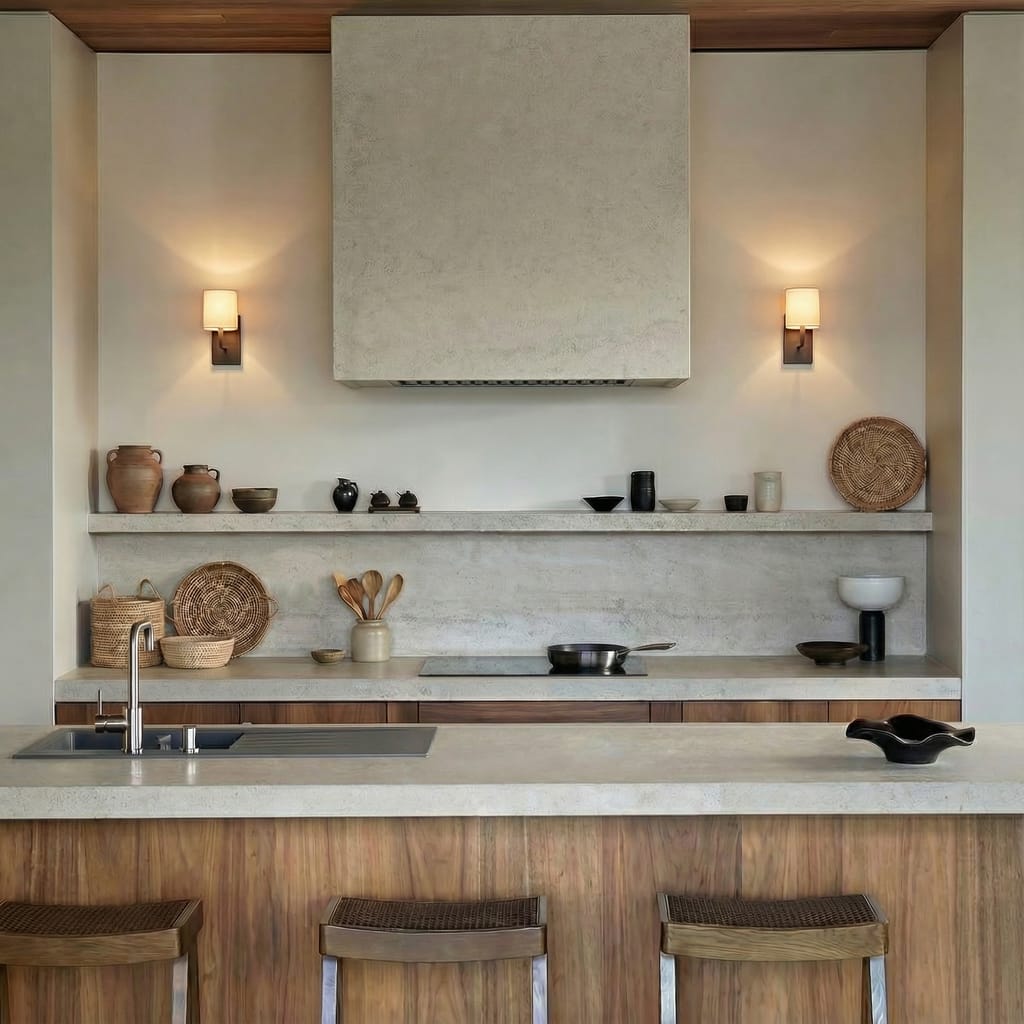
The era of the sterile, all-white kitchen is over. We are entering a new phase of residential design where tactile richness and material honesty—not sheer brightness—define modern luxury.
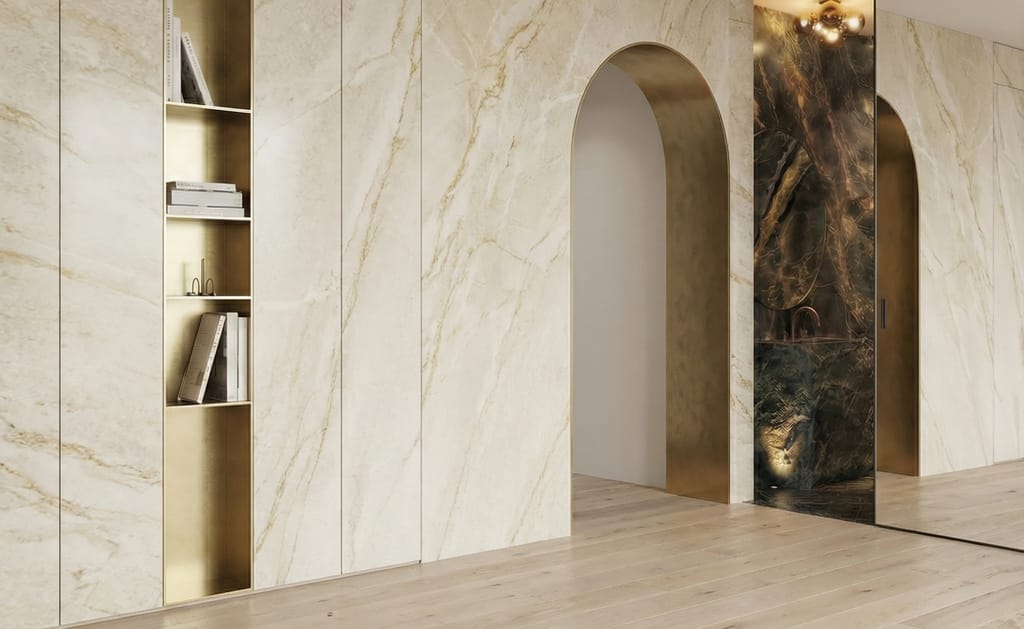
In an age of seamless open plans, the true measure of luxury is found in the deliberate, material-rich transitions between spaces—where architecture becomes a prelude to experience.
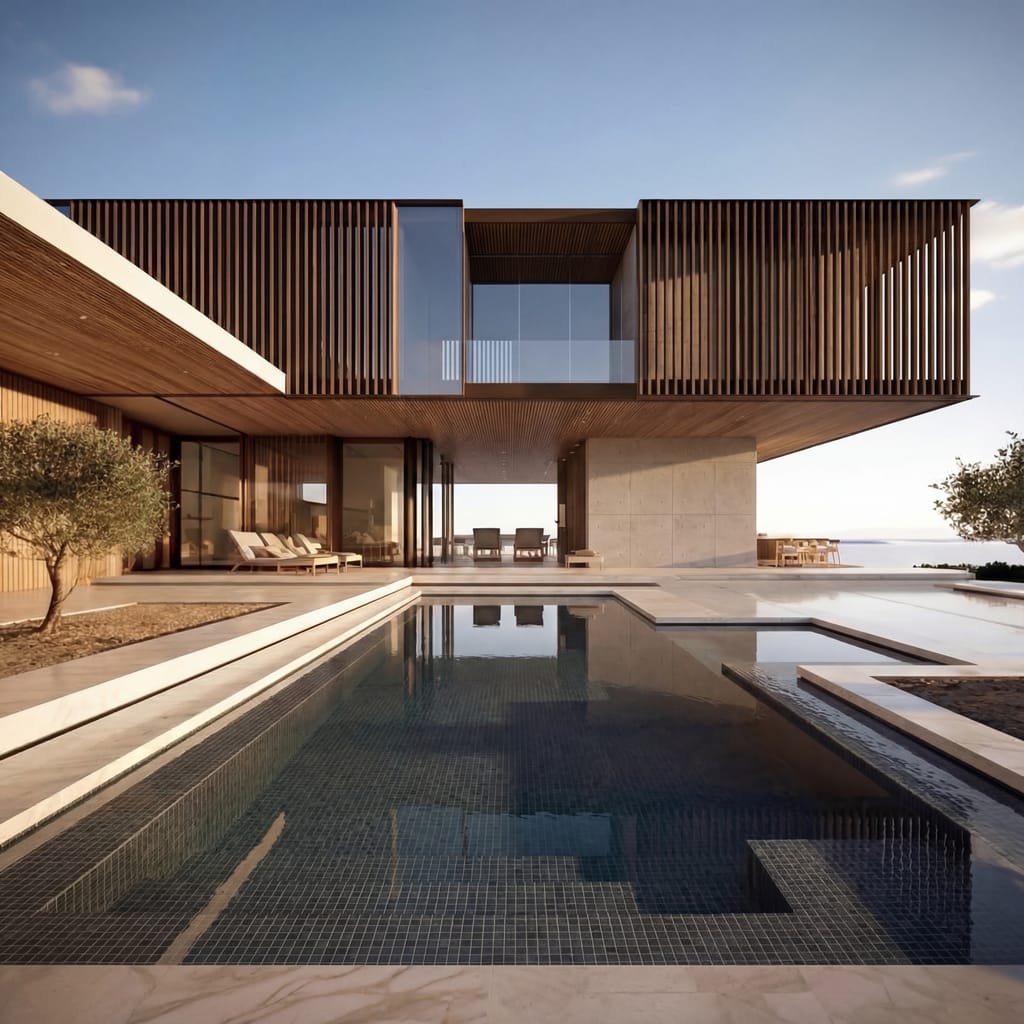
We are conditioned to see the backyard pool as a bright turquoise interruption. We propose a more integrated vision: water as a dark, reflective plane that completes the architecture.
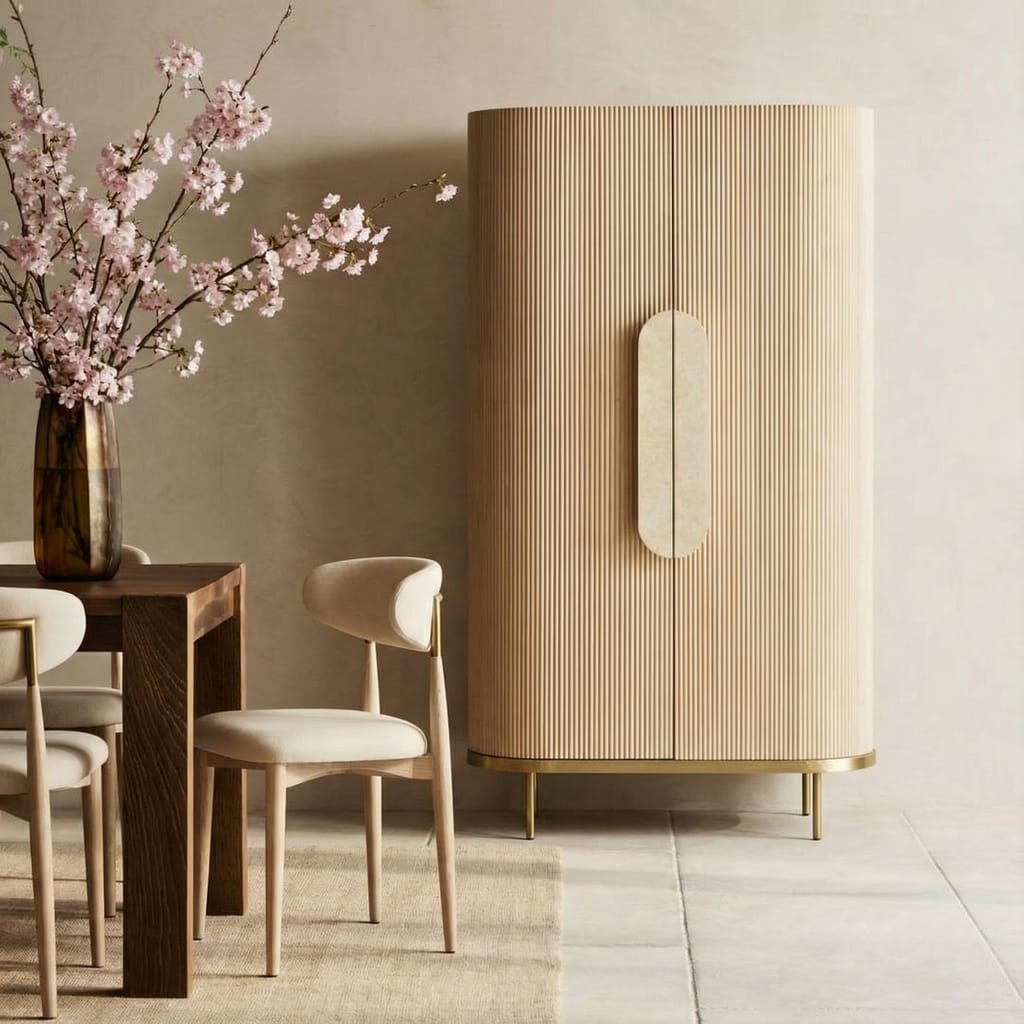
In the pursuit of quiet luxury, designers are abandoning chromatic saturation for a more profound language: architectural texture. It’s a shift from how a space looks to how it feels.
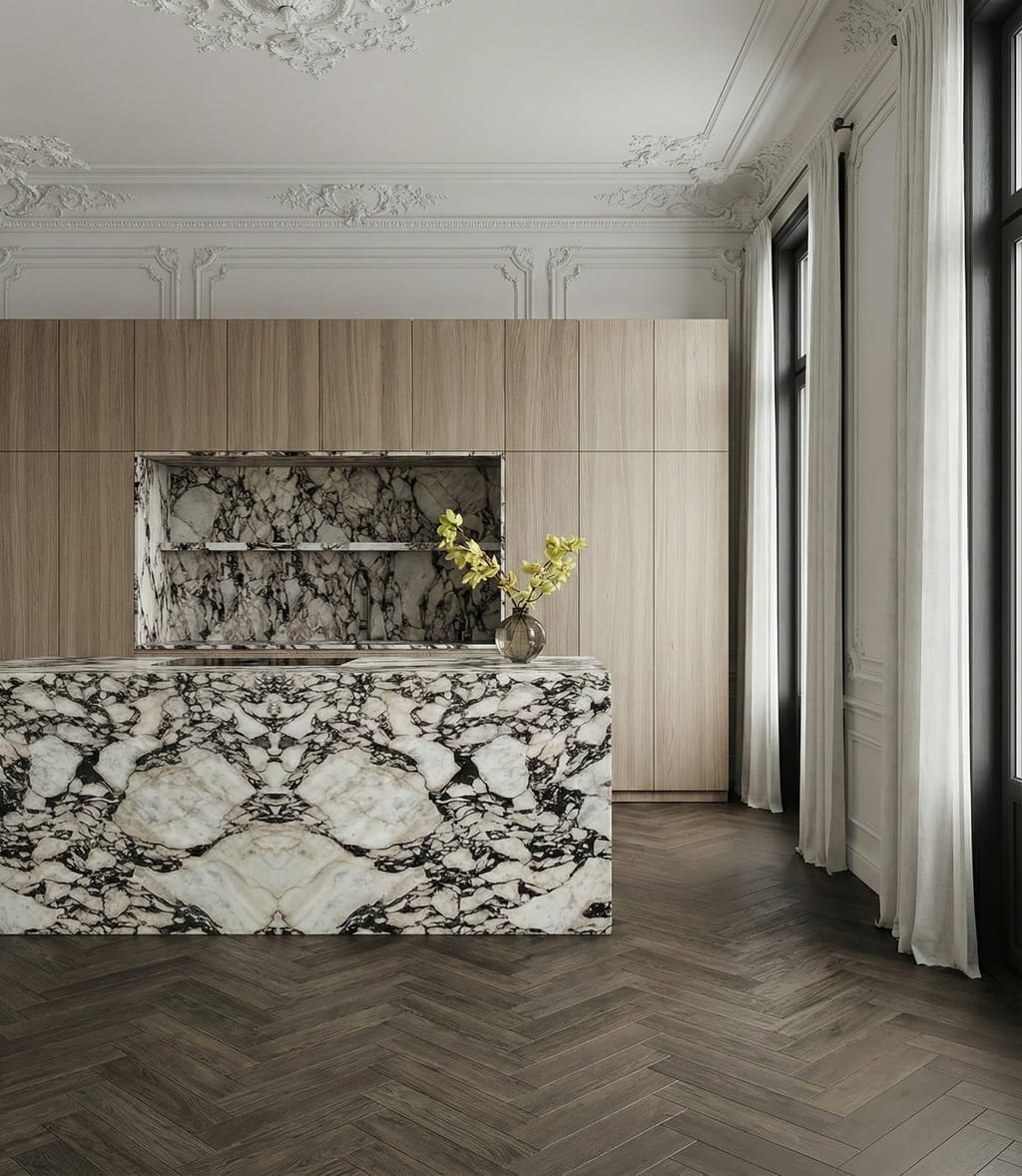
In an era of disposable trends, we explore the provocative dialogue created when hyper-modernist joinery is inserted into a space with historic bones.
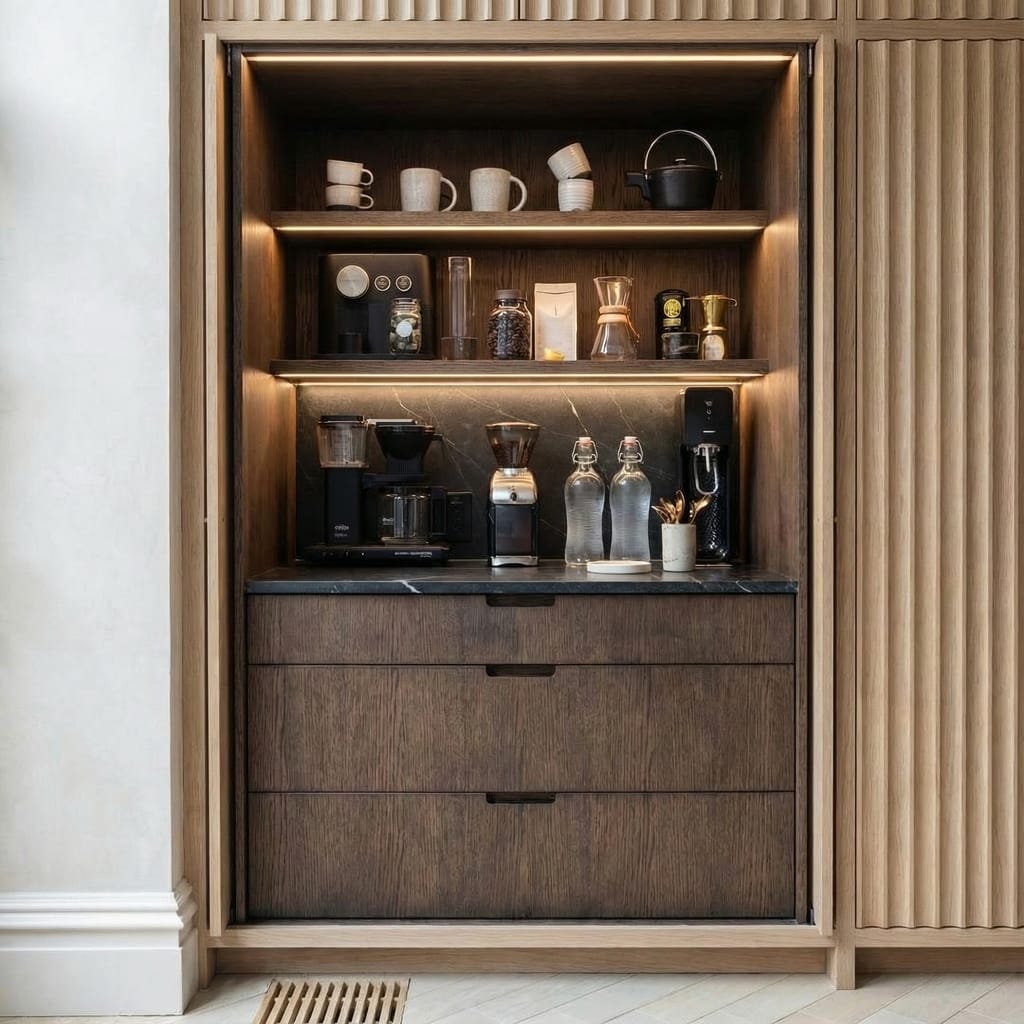
In luxury residential design, the ultimate statement is no longer what you see, but the masterful concealment of what you don't. It's a shift from displaying function to celebrating form.
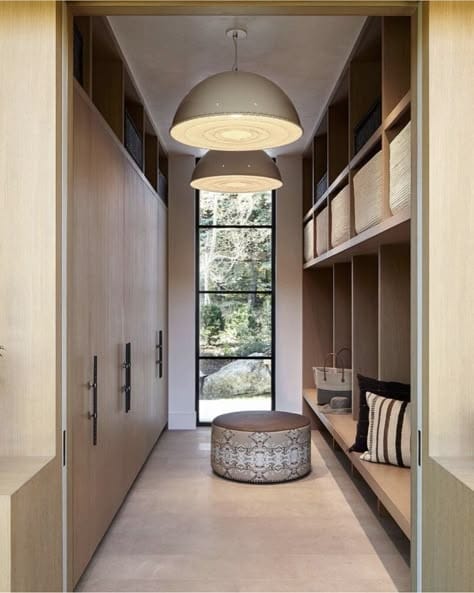
The most overlooked space in residential design is arguably the most critical: the threshold. We explore how the utilitarian mudroom is being reimagined as a sophisticated anteroom, a deliberate pause between the public and private realms.
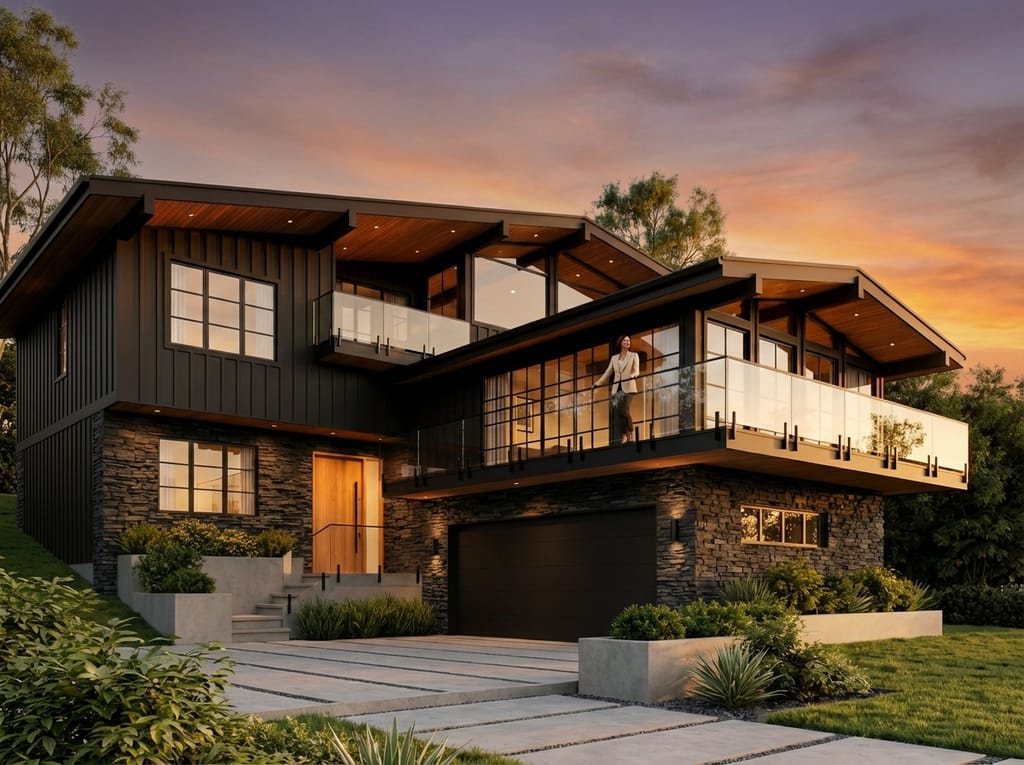
In the sun-bleached landscape of Arizona, a new architectural language is emerging—one that embraces shadow, texture, and a profound connection to the earth.
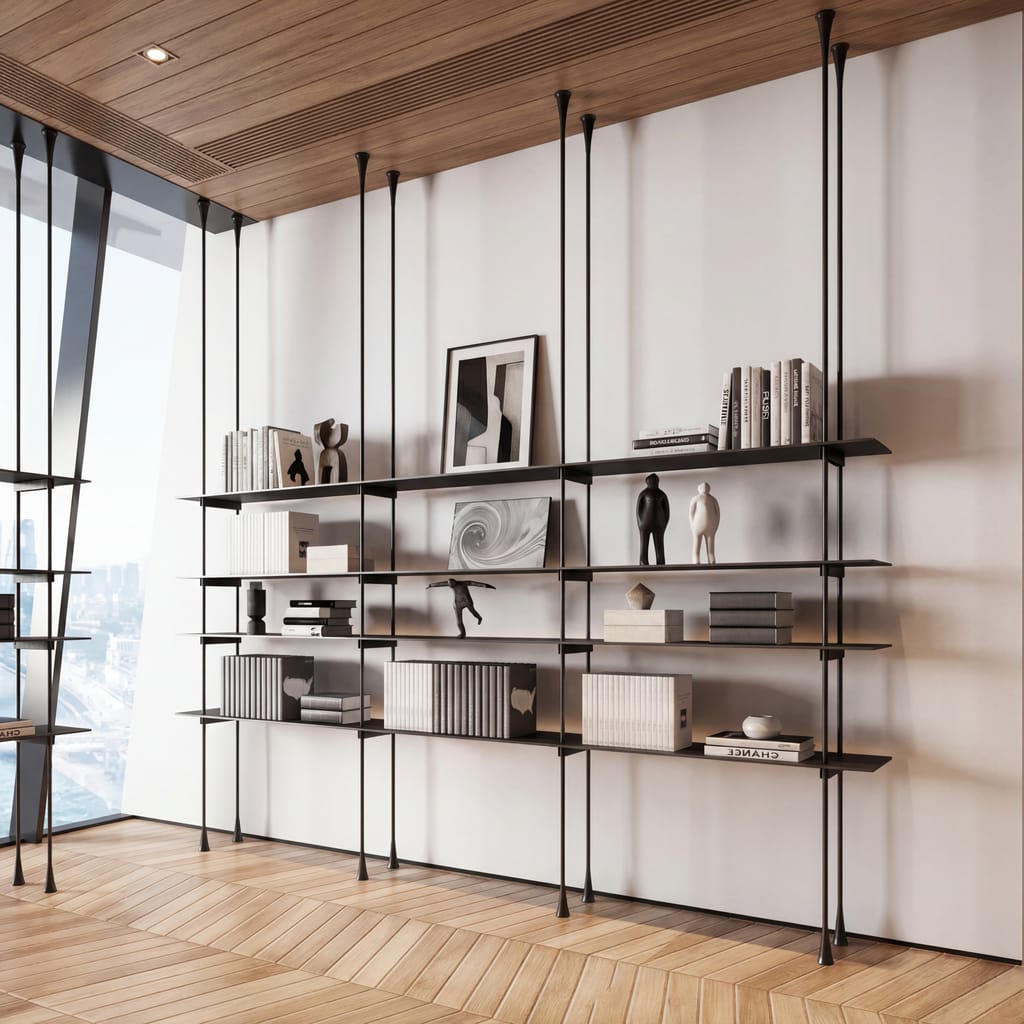
In luxury residential design, the heaviest object is often the built-in. We propose a lighter, more architecturally integrated alternative.
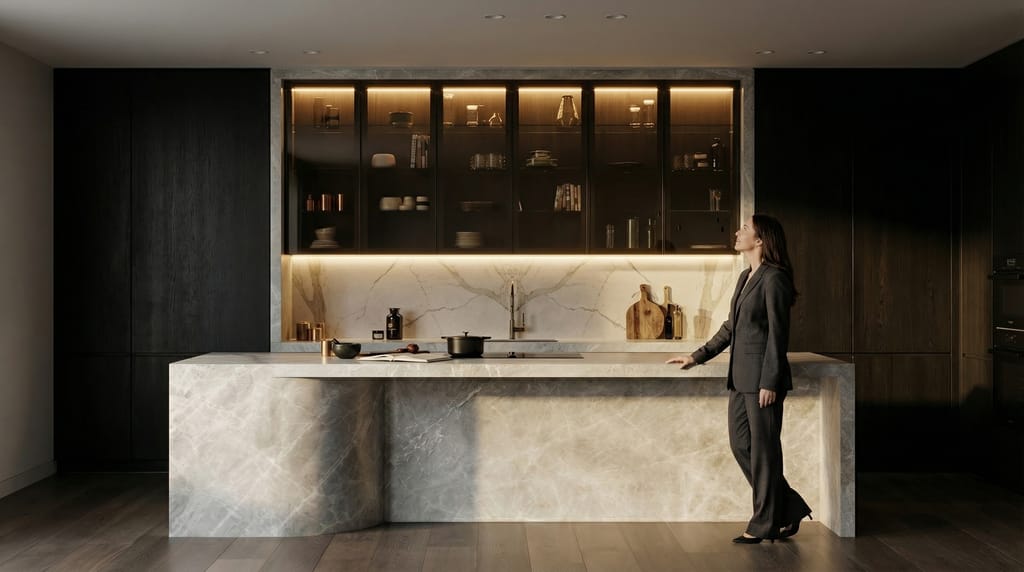
In a landscape saturated with desert modernism's bright whites, a dramatic shift is underway—a return to depth, shadow, and material honesty in the heart of the home.
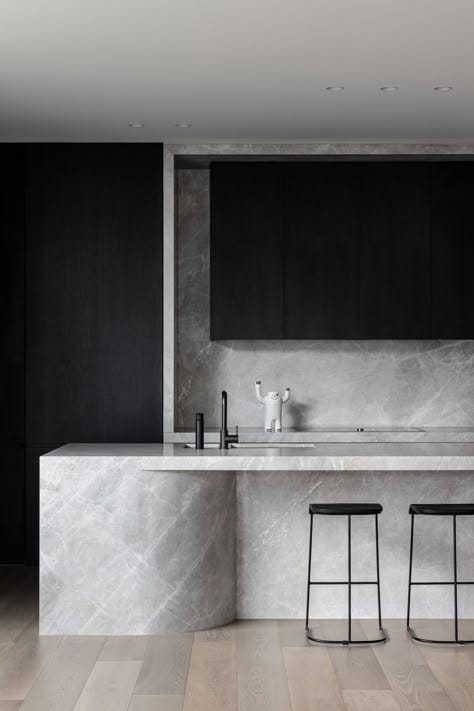
The era of the sharp-edged waterfall island is closing. We are entering a period of softened forms, where monolithic stone finds a new, tactile language in residential architecture.
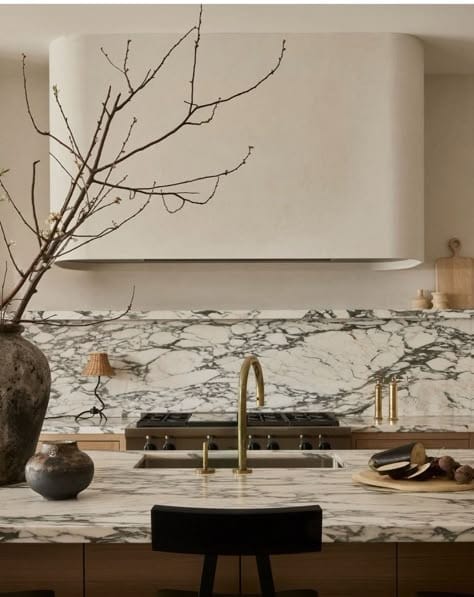
In the pursuit of quiet luxury, the prevailing wisdom suggests restraint. We propose a new grammar: a dialogue between raw geological chaos and serene architectural form.
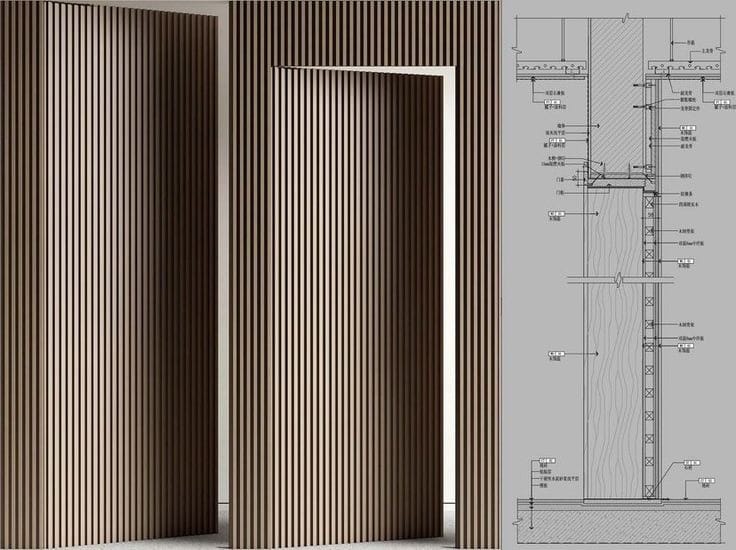
In contemporary luxury design, the most profound statement is often the one that goes unseen. We explore the architectural rigor and obsessive craft required to make a wall disappear, revealing the art of the perfectly integrated jib door.
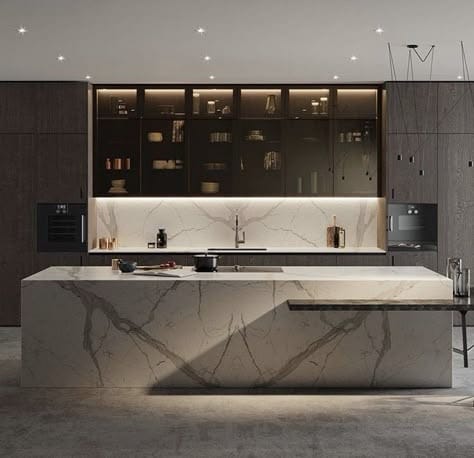
In a landscape defined by unrelenting sun, we find a counter-narrative: a kitchen designed not for the glare of day, but for the intimacy of evening. This is a deliberate turn towards shadow, texture, and atmospheric depth.
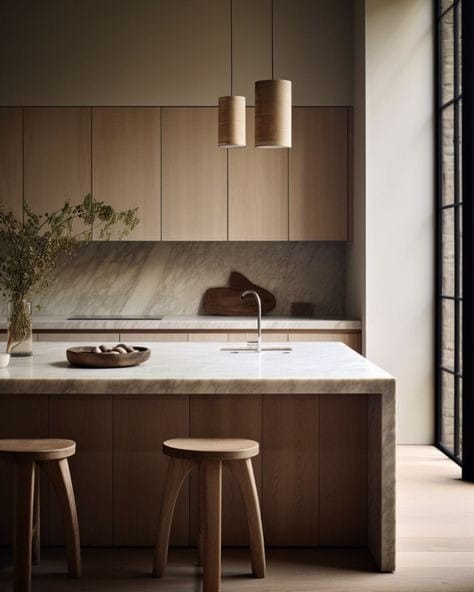
In Phoenix's luxury residential market, a profound shift is underway. The new language of opulence is not spoken in bold hues, but felt in the tension between honest materials.